

Many parents feel the pressure to say their children are excelling at everything. Academics. Sports. Music. Reading. Culture. Confidence. Creativity. The list keeps growing.
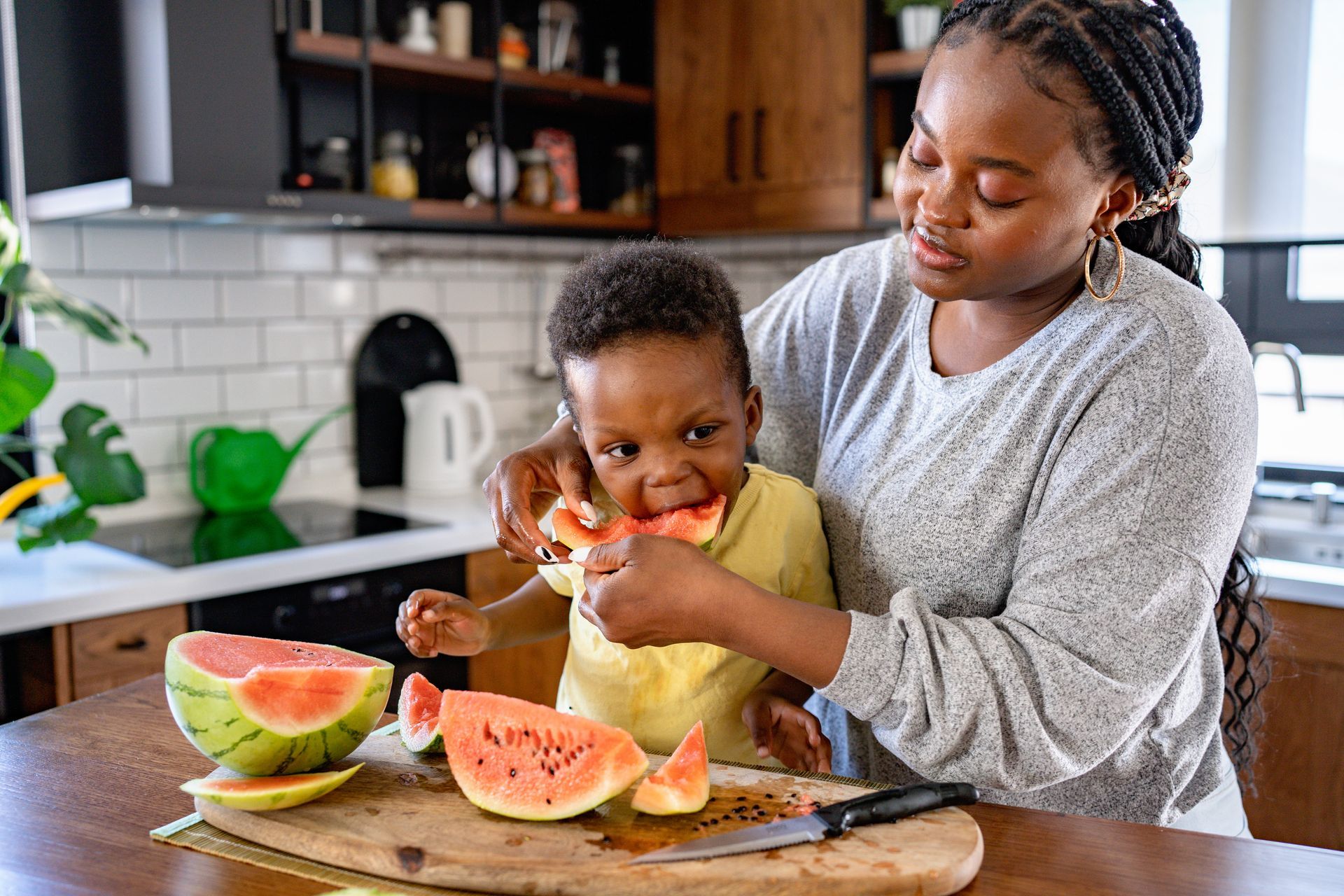
Food is part of care.

“A society grows great when elders plant trees whose shade they know they will never sit in.”

We often think of parenting as a one-way relationship: the adult guides, teaches, corrects, and shapes the child. But parenthood has a way of shaping the adult too.

The children we hoped for came into our lives quickly and completely. One after the other, our home was suddenly filled with baby gear, bottles, sleepless nights, and the beautiful chaos that comes with raising little ones.

Many of us grew up watching parents hold everything together. Previous generations were often expected to seem as though they had everything under control: work, home, children, health, responsibilities, and everything in between. But behind that image of control, keeping it all together often came at a real emotional cost. Being physically present was not always the same as being emotionally available. And that raises an important question: who is the parent you want your children to remember? Today’s parents are facing even more demands, distractions, and pressure. Many are trying to care for their physical, mental, and emotional health while still giving deeply of themselves to their children, careers, homes, and relationships. Time spent parenting must be intentional. But intentional parenting requires intentional support. And no, in-home care is not only for the wealthy. It is not simply a luxury. For many families, it is a practical decision about protecting time, peace, and the rhythm of the home. It is for the family that is stretched by the demands of daily life but still wants their relationship with their children to thrive. It is for the parent who does not want to sacrifice the quality of their time at home while building a career, growing a business, or investing in themselves. It is for families who are already thinking about the legacy of family life they want to leave for future generations. At its heart, this is about bringing your best self home. Informal help is valuable, and many families are grateful for it. But dependable support is easier to build life around. The question is not, “Are we managing?” but, “What is managing costing us?”

Even when a caregiver is kind, capable, and well-suited, children still need time to adjust.

As adults, we understand that routines help create structure, consistency, and stability in our lives. For children, routines are just as important. Predictable moments throughout the day help children feel secure, reduce stress, and build confidence.
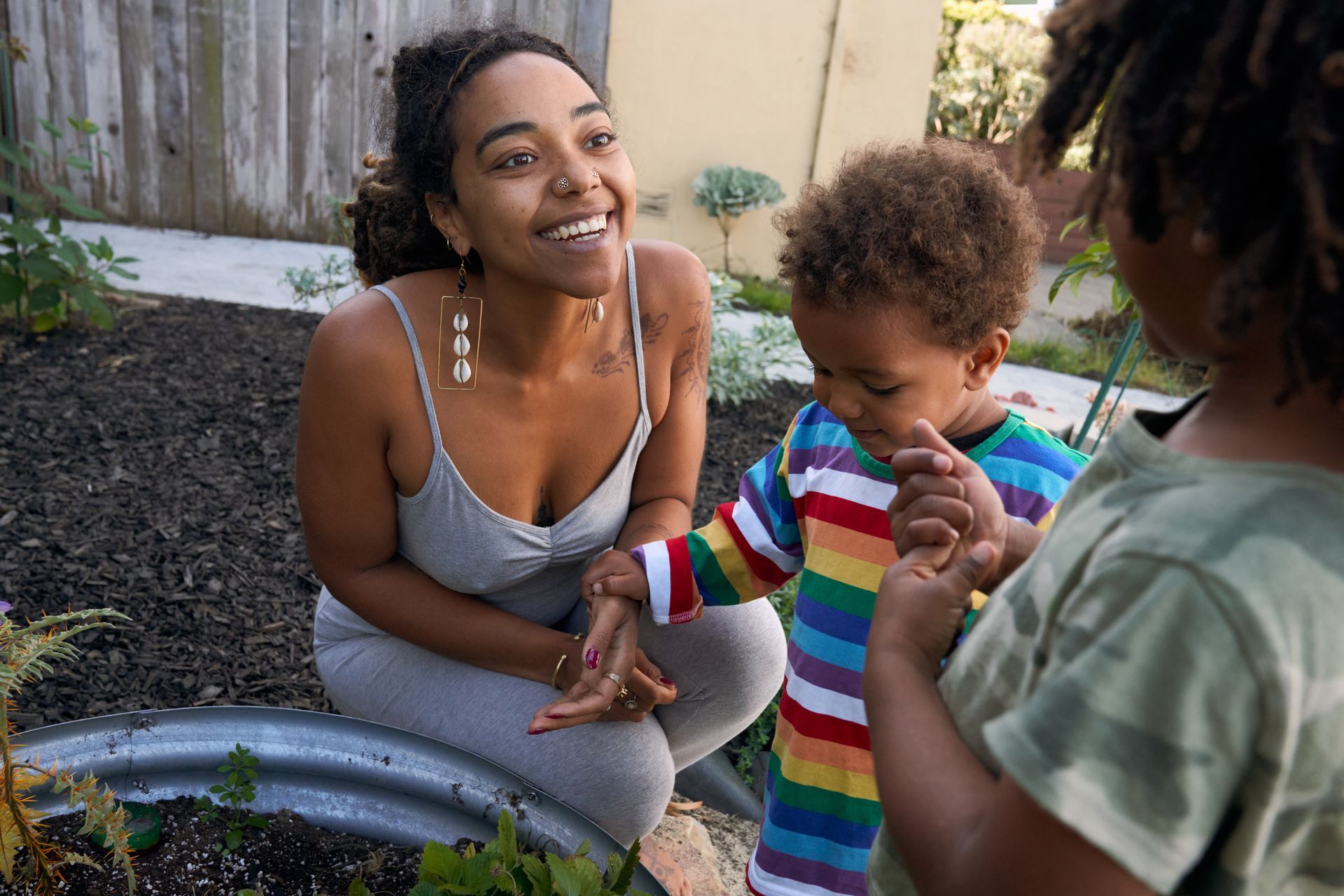
The Caribbean still believes in the village. But for many parents, it no longer works the way it used to.

For many parents, one of the hardest moments in the day isn’t saying goodbye—it’s walking away.