

Beyond the Village: Rethinking Parenting in the Modern Caribbean

April 28, 2026

Share this article

The Caribbean still believes in the village. But for many parents, it no longer works the way it used to.

Families have long relied on grandparents, aunts, siblings, and trusted community members, each playing a role in shaping a child’s upbringing.


That system still exists. But the reality around it has changed.


Today’s parents are navigating far more complex lives. Both mothers and fathers are working, and grandparents are often still employed. At the same time, entrepreneurship is rising and careers are increasingly demanding. In Trinidad and Tobago, small and medium-sized enterprises account for over 90% of registered businesses, with many entrepreneurs starting in mid-career.


As personal ambitions expand, so do expectations for family life. Parents are no longer just raising children, they are building futures. And in the process, something has shifted.


Time with children is often concentrated in the evenings or structured around lessons, activities, and schoolwork. As parents try to do it all, they become stretched thin. Physically present, but often exhausted. This can become normalised as “just life,” but it doesn’t have to be.


What can be easily overlooked is how rapidly early childhood unfolds. By age 12, a child has already undergone critical brain development and formed key foundations for learning and social-emotional growth. These early years are foundational, and the quality of care during this time matters deeply.


This is where integration, not balance, becomes essential.


Work and family life will not exist in perfect separation. The goal is not equal division of time, but intentional use of time, energy, and influence.


Because what children need most is meaningful presence.


The moments that shape them are often simple: conversations at the end of the day, shared routines, and guidance in how to think, respond, and navigate the world. These are where values are formed. Confidence, discipline, empathy, and independence take root.


The “village” must evolve. Informal support is no longer enough for modern demands.


Today, building a village is not just about proximity or availability, but alignment. For modern Caribbean families, this means making more deliberate choices about childcare.


Someone who is prepared, understands structure, communication, and the role they play in shaping a child’s daily experience.


Integration is not about doing more. It is about building the right support system so both work and family can thrive, with confidence in the care surrounding your child.


Recent Posts

By Cornerstone Connections July 20, 2026
Many parents feel the pressure to say their children are excelling at everything. Academics. Sports. Music. Reading. Culture. Confidence. Creativity. The list keeps growing.
By Cornerstone Connections June 30, 2026
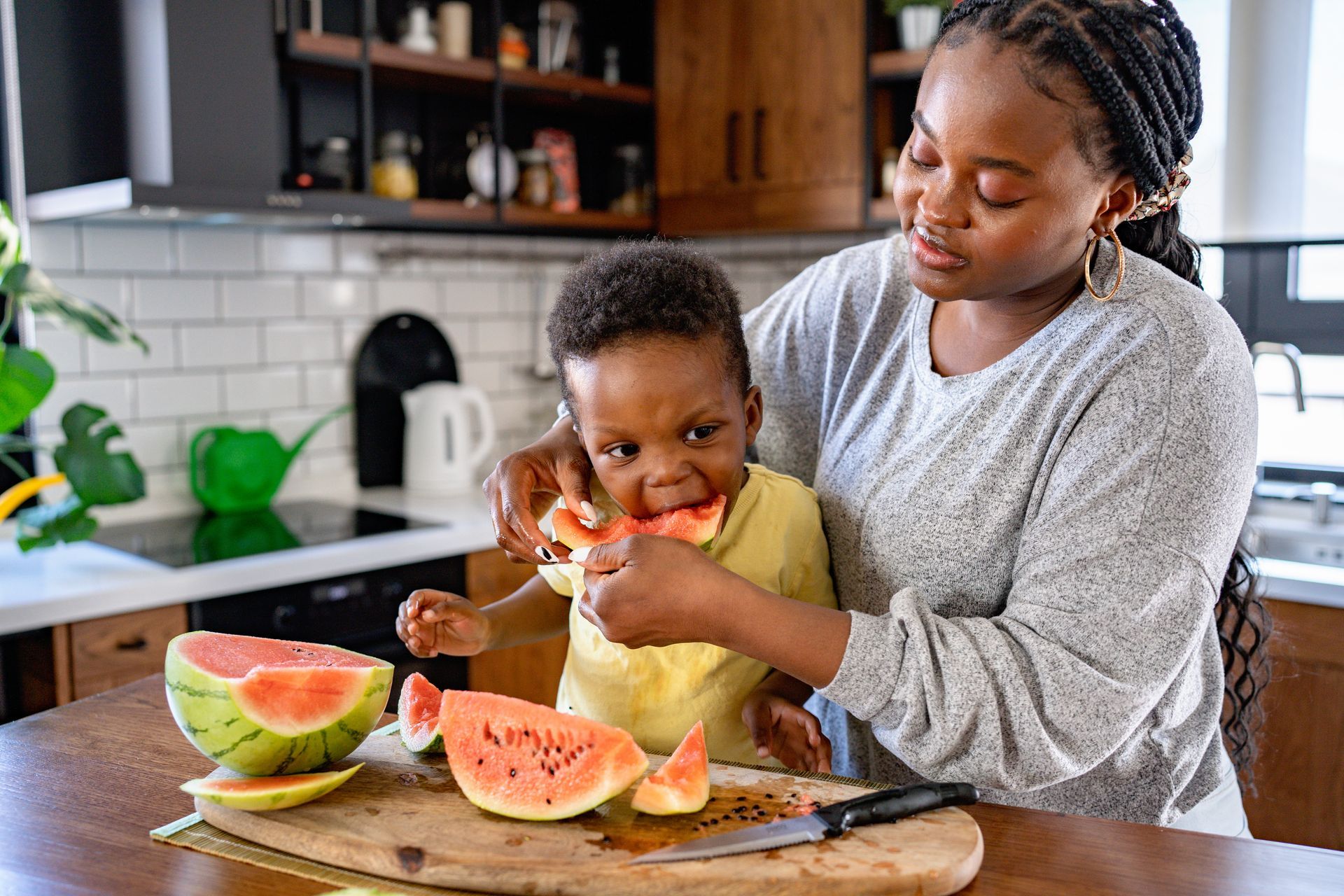
Food is part of care.
By Cornerstone Connections June 21, 2026
“A society grows great when elders plant trees whose shade they know they will never sit in.”

By Cornerstone Connections June 13, 2026
We often think of parenting as a one-way relationship: the adult guides, teaches, corrects, and shapes the child. But parenthood has a way of shaping the adult too.

By Cornerstone Connections June 4, 2026
The children we hoped for came into our lives quickly and completely. One after the other, our home was suddenly filled with baby gear, bottles, sleepless nights, and the beautiful chaos that comes with raising little ones.

By Cornerstone Connections May 30, 2026
Many of us grew up watching parents hold everything together. Previous generations were often expected to seem as though they had everything under control: work, home, children, health, responsibilities, and everything in between. But behind that image of control, keeping it all together often came at a real emotional cost. Being physically present was not always the same as being emotionally available. And that raises an important question: who is the parent you want your children to remember? Today’s parents are facing even more demands, distractions, and pressure. Many are trying to care for their physical, mental, and emotional health while still giving deeply of themselves to their children, careers, homes, and relationships. Time spent parenting must be intentional. But intentional parenting requires intentional support. And no, in-home care is not only for the wealthy. It is not simply a luxury. For many families, it is a practical decision about protecting time, peace, and the rhythm of the home. It is for the family that is stretched by the demands of daily life but still wants their relationship with their children to thrive. It is for the parent who does not want to sacrifice the quality of their time at home while building a career, growing a business, or investing in themselves. It is for families who are already thinking about the legacy of family life they want to leave for future generations. At its heart, this is about bringing your best self home. Informal help is valuable, and many families are grateful for it. But dependable support is easier to build life around. The question is not, “Are we managing?” but, “What is managing costing us?”

By Cornerstone Connections May 20, 2026
Even when a caregiver is kind, capable, and well-suited, children still need time to adjust.

By Cornerstone Connections May 12, 2026
As adults, we understand that routines help create structure, consistency, and stability in our lives. For children, routines are just as important. Predictable moments throughout the day help children feel secure, reduce stress, and build confidence.
By Cornerstone Connections May 6, 2026
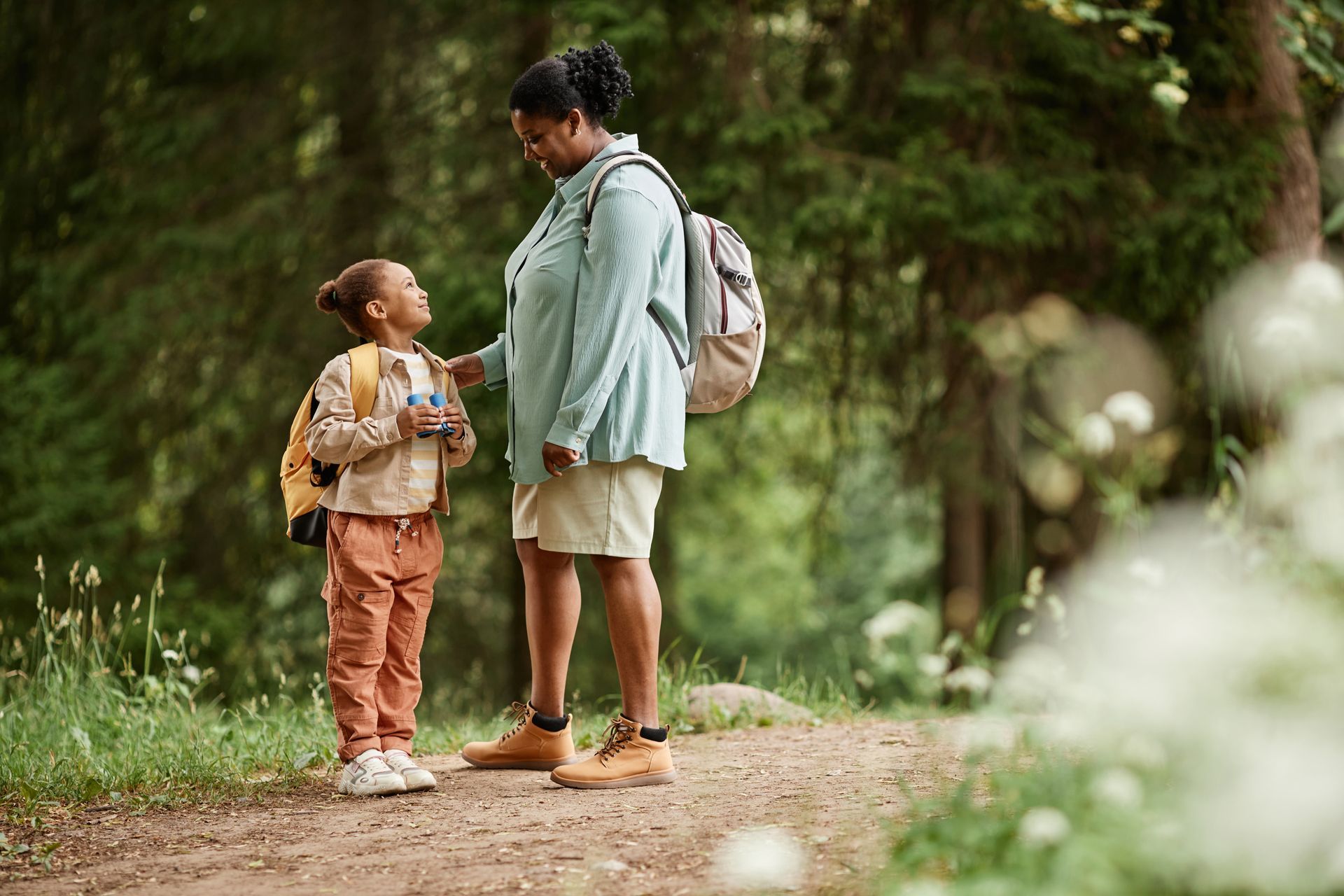
Most parents think carefully about whether their child will be physically safe in someone else’s care. But safety is only the beginning.

April 10, 2026
For many parents, one of the hardest moments in the day isn’t saying goodbye—it’s walking away.
Show More