
The Parent You Become

Cornerstone Connections • June 13, 2026

Share this article

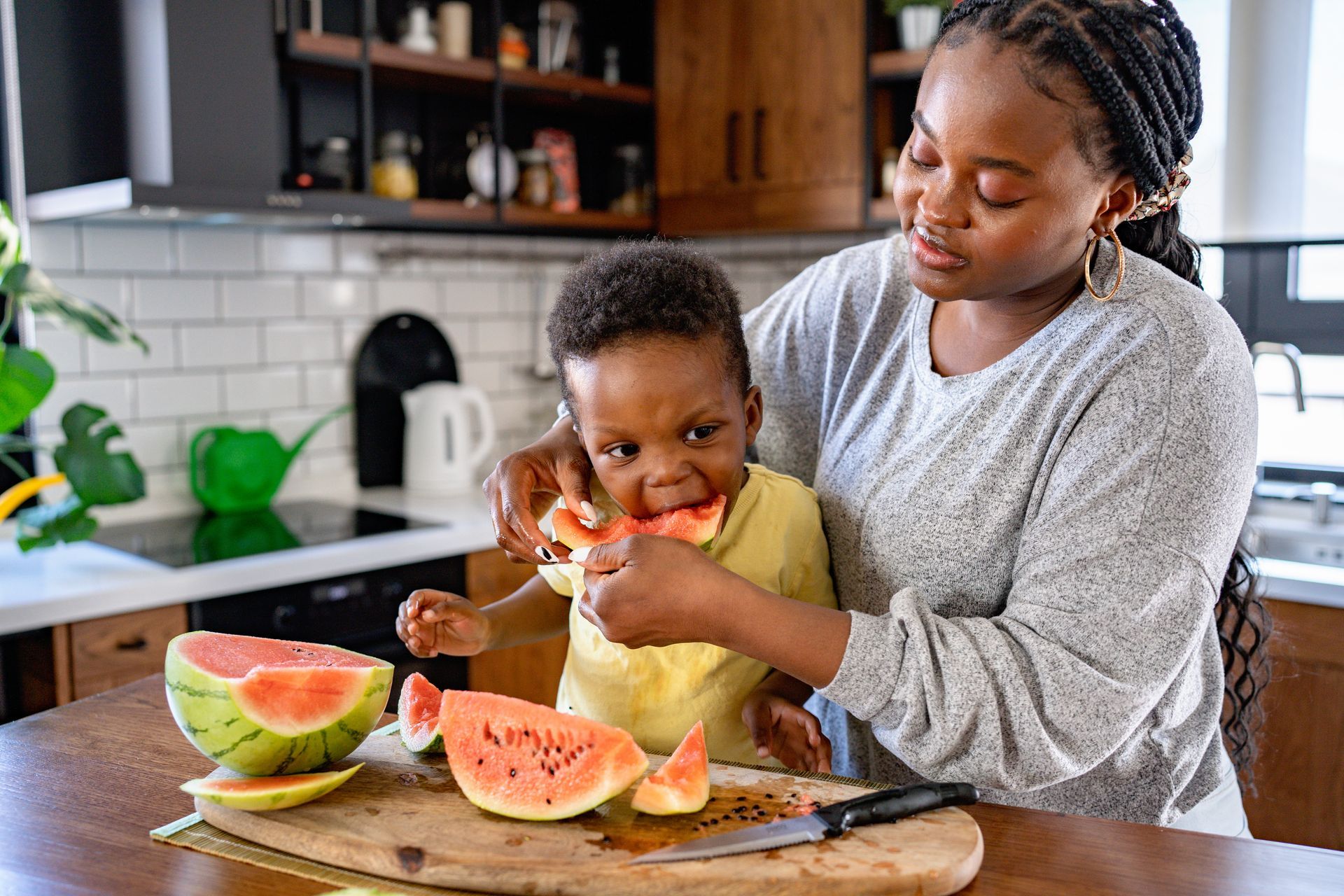
We often think of parenting as a one-way relationship: the adult guides, teaches, corrects, and shapes the child. But parenthood has a way of shaping the adult too.

Most of us begin with ideas about the kind of parent we hope to be. We think about the values we want to model, the lessons we want to teach, the achievements we hope will make our children proud, and the example we want to set. Those hopes matter. They give us something to reach toward.


But somewhere along the journey, parenthood begins to reveal us to ourselves.


We learn that love can be deep, but energy, patience, and time are not unlimited. We learn our limits. We begin to notice the phrases, reactions, and expectations we inherited, and we decide what to keep, what to soften, and what to change.


We learn patience in a new way. We learn to slow down for children who are still discovering how to live in this world. We learn that what feels obvious to us may still be brand new to them. We learn how to explain, repeat, reassure, and correct with empathy.


We also learn that caring for ourselves is not separate from caring for our children. Many parents grow up with the idea that being a good mother or father means giving everything until there is nothing left. But over time, we begin to understand that our wellbeing matters too. Not because we want to give less, but because we want to give from a healthier place.


Parenthood can also change how we define success. For some of us, the emphasis on material achievements, public recognition, or constant productivity begins to shift. We start valuing time differently. We become more aware that childhood is not something we can pause and return to later. We begin to think about the memories we want to create, the relationships we want to nurture, and the kind of presence we want our children to remember.


We want to know them, yes. But we also want them to know us. Not just as the parent who provided, corrected, organized, and managed, but as the parent who listened, laughed, guided, showed up, and made room for connection.


Sometimes it helps to remember that no one is expecting us to be perfect, not even our children. They need love, guidance, structure, and presence. They also need to see that the adults in their lives are still learning, still growing, and still becoming.


Parenting changes the course of our lives in ways we cannot fully predict. It stretches us, humbles us, and teaches us what matters. The goal is not to become a perfect parent. The goal is to keep becoming a more present, aware, and supported one.

Recent Posts

By Cornerstone Connections June 4, 2026
The children we hoped for came into our lives quickly and completely. One after the other, our home was suddenly filled with baby gear, bottles, sleepless nights, and the beautiful chaos that comes with raising little ones.

By Cornerstone Connections May 30, 2026
Many of us grew up watching parents hold everything together. Previous generations were often expected to seem as though they had everything under control: work, home, children, health, responsibilities, and everything in between. But behind that image of control, keeping it all together often came at a real emotional cost. Being physically present was not always the same as being emotionally available. And that raises an important question: who is the parent you want your children to remember? Today’s parents are facing even more demands, distractions, and pressure. Many are trying to care for their physical, mental, and emotional health while still giving deeply of themselves to their children, careers, homes, and relationships. Time spent parenting must be intentional. But intentional parenting requires intentional support. And no, in-home care is not only for the wealthy. It is not simply a luxury. For many families, it is a practical decision about protecting time, peace, and the rhythm of the home. It is for the family that is stretched by the demands of daily life but still wants their relationship with their children to thrive. It is for the parent who does not want to sacrifice the quality of their time at home while building a career, growing a business, or investing in themselves. It is for families who are already thinking about the legacy of family life they want to leave for future generations. At its heart, this is about bringing your best self home. Informal help is valuable, and many families are grateful for it. But dependable support is easier to build life around. The question is not, “Are we managing?” but, “What is managing costing us?”

By Cornerstone Connections May 20, 2026
Even when a caregiver is kind, capable, and well-suited, children still need time to adjust.

By Cornerstone Connections May 12, 2026
As adults, we understand that routines help create structure, consistency, and stability in our lives. For children, routines are just as important. Predictable moments throughout the day help children feel secure, reduce stress, and build confidence.

By Cornerstone Connections May 6, 2026
Most parents think carefully about whether their child will be physically safe in someone else’s care. But safety is only the beginning.
By Cornerstone Connections April 28, 2026
The Caribbean still believes in the village. But for many parents, it no longer works the way it used to.

April 10, 2026
For many parents, one of the hardest moments in the day isn’t saying goodbye—it’s walking away.
April 10, 2026
 Most parents select a caregiver based on experience, references, and availability. In some cases, the decision is influenced by familiarity or proximity within the family network. While important, these factors are only the baseline. For parents who are intentional about the life they are building, the decision goes much deeper. It’s not just about who can care for a child—it’s about who should. Beyond physical safety, the real consideration is emotional and psychological wellbeing. This means looking closely at a caregiver’s values, judgment, ability to manage pressure, and how naturally they can build trust with both your child and your family. Choosing a caregiver is not simply about qualifications. It is about alignment. The right caregiver integrates seamlessly into your family ecosystem—understanding the tone of your home, maintaining your routines, and reinforcing your standards even in your absence. Without this alignment, parents often find themselves correcting behaviours or re-establishing structure, creating unnecessary disruption for the child. Emotional intelligence is equally critical, particularly for younger children. A caregiver must be able to recognise cues, respond with sensitivity, and engage in a way that fosters security and development. Beyond care, they should also act as a partner—guiding everyday moments, such as sibling conflict, into opportunities for growth, and communicating those insights back to parents. However, one of the most overlooked challenges is communication. Many parents find it difficult to give honest feedback within the home, which can lead to small issues going unaddressed over time. This is where a professional agency plays an important role. By acting as a structured intermediary, the agency ensures that feedback is managed objectively, expectations remain aligned, and the relationship within the home stays respectful and cohesive. Ultimately, the parent–child–caregiver relationship will evolve—but starting with the right fit makes that journey significantly smoother. Too often, decisions are made out of urgency—prioritising convenience or cost over long-term compatibility. A more intentional approach leads to better outcomes, not just for the child, but for the entire household. At Cornerstone Connections , we go beyond qualifications to assess alignment, emotional intelligence, and long-term fit—ensuring each placement supports the family as a whole.
April 10, 2026
Early childhood is a crucial time for learning, growth, and emotional development. The good news is — small, everyday moments can make a big impact.