
Supporting Development Beyond Excellence

July 20, 2026

Share this article

Many parents feel the pressure to say their children are excelling at everything.

Academics. Sports. Music. Reading. Culture. Confidence. Creativity. The list keeps growing.

Today, some children’s schedules can look as full as an adult’s work calendar, moving from school to lessons, practice, tutoring, activities, and commitments. Many of these activities are good. They can expose children to new skills, interests, friendships, and possibilities.


But when the pressure to excel becomes constant, it can distract from what many parents are truly trying to protect: their child’s development. Development is not only about achievement. It is about helping children build strong identities, healthy bodies, emotional resilience, curiosity, confidence, and the skills they need to move through the world with independence.


So perhaps the better question is not, “Is my child excelling?” Perhaps the better question is, “Is my child being supported to grow well?”


Children need responsive relationships with well-adjusted adults. They need rest. They need play. They need movement. They need nourishment. These may sound simple, but they are not small things.


Responsive relationships help children feel safe, understood, and guided. Through steady interactions with caring adults, children learn trust, emotional regulation, empathy, and how to cope with frustration.


Rest matters too. Sleep supports mood, attention, behaviour, learning, and physical health. The amount of sleep children need changes with age, but across childhood, consistent rest is one of the foundations of healthy development.


Play is also development. Unstructured play gives children room to imagine, problem-solve, negotiate, explore their interests, and discover their own creative voice.


Physical activity supports the brain and body, but it also helps children build confidence in their ability to try, practise, fall, recover, and attempt challenging things again.


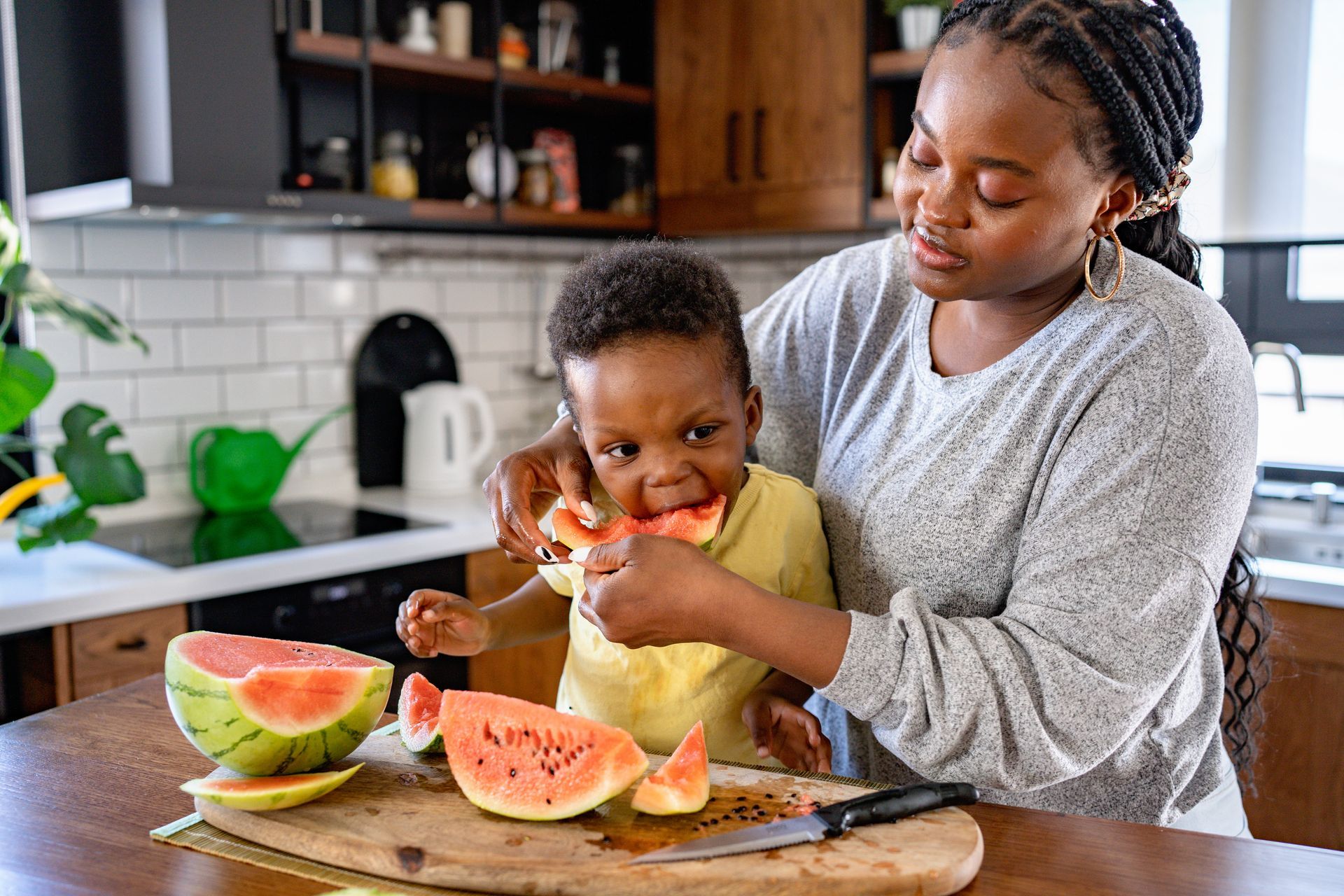
And nourishment gives children the fuel they need to grow, learn, play, and feel well. It also helps them build habits that can support their long-term wellbeing.


Parents do not need to overbook their children’s calendars to prove they are being developed. Activities can be valuable, but when they begin to crowd out sleep, play, family time, and emotional connection, they can become counterproductive.


We do not want exhausted and overwhelmed children performing for success.


This does not mean we stop teaching ambition. It does not mean we lower expectations or avoid exposing children to new opportunities. It means we remember that achievement is healthiest when it grows from a child who feels secure, supported, and known. We can introduce activities slowly, with attention to the child’s interests, temperament, energy, and stage of development.


At Cornerstone Connections, we believe children thrive when the adults around them understand that care is not only about keeping schedules moving. It is about protecting the conditions children need to grow well as we build the foundation for a whole life.


Recent Posts

By Cornerstone Connections June 30, 2026
Food is part of care.

By Cornerstone Connections June 21, 2026
“A society grows great when elders plant trees whose shade they know they will never sit in.”

By Cornerstone Connections June 13, 2026
We often think of parenting as a one-way relationship: the adult guides, teaches, corrects, and shapes the child. But parenthood has a way of shaping the adult too.

By Cornerstone Connections June 4, 2026
The children we hoped for came into our lives quickly and completely. One after the other, our home was suddenly filled with baby gear, bottles, sleepless nights, and the beautiful chaos that comes with raising little ones.

By Cornerstone Connections May 30, 2026
Many of us grew up watching parents hold everything together. Previous generations were often expected to seem as though they had everything under control: work, home, children, health, responsibilities, and everything in between. But behind that image of control, keeping it all together often came at a real emotional cost. Being physically present was not always the same as being emotionally available. And that raises an important question: who is the parent you want your children to remember? Today’s parents are facing even more demands, distractions, and pressure. Many are trying to care for their physical, mental, and emotional health while still giving deeply of themselves to their children, careers, homes, and relationships. Time spent parenting must be intentional. But intentional parenting requires intentional support. And no, in-home care is not only for the wealthy. It is not simply a luxury. For many families, it is a practical decision about protecting time, peace, and the rhythm of the home. It is for the family that is stretched by the demands of daily life but still wants their relationship with their children to thrive. It is for the parent who does not want to sacrifice the quality of their time at home while building a career, growing a business, or investing in themselves. It is for families who are already thinking about the legacy of family life they want to leave for future generations. At its heart, this is about bringing your best self home. Informal help is valuable, and many families are grateful for it. But dependable support is easier to build life around. The question is not, “Are we managing?” but, “What is managing costing us?”

By Cornerstone Connections May 20, 2026
Even when a caregiver is kind, capable, and well-suited, children still need time to adjust.

By Cornerstone Connections May 12, 2026
As adults, we understand that routines help create structure, consistency, and stability in our lives. For children, routines are just as important. Predictable moments throughout the day help children feel secure, reduce stress, and build confidence.
By Cornerstone Connections May 6, 2026
Most parents think carefully about whether their child will be physically safe in someone else’s care. But safety is only the beginning.
By Cornerstone Connections April 28, 2026
The Caribbean still believes in the village. But for many parents, it no longer works the way it used to.

April 10, 2026
For many parents, one of the hardest moments in the day isn’t saying goodbye—it’s walking away.
Show More